
Local Testing Centers
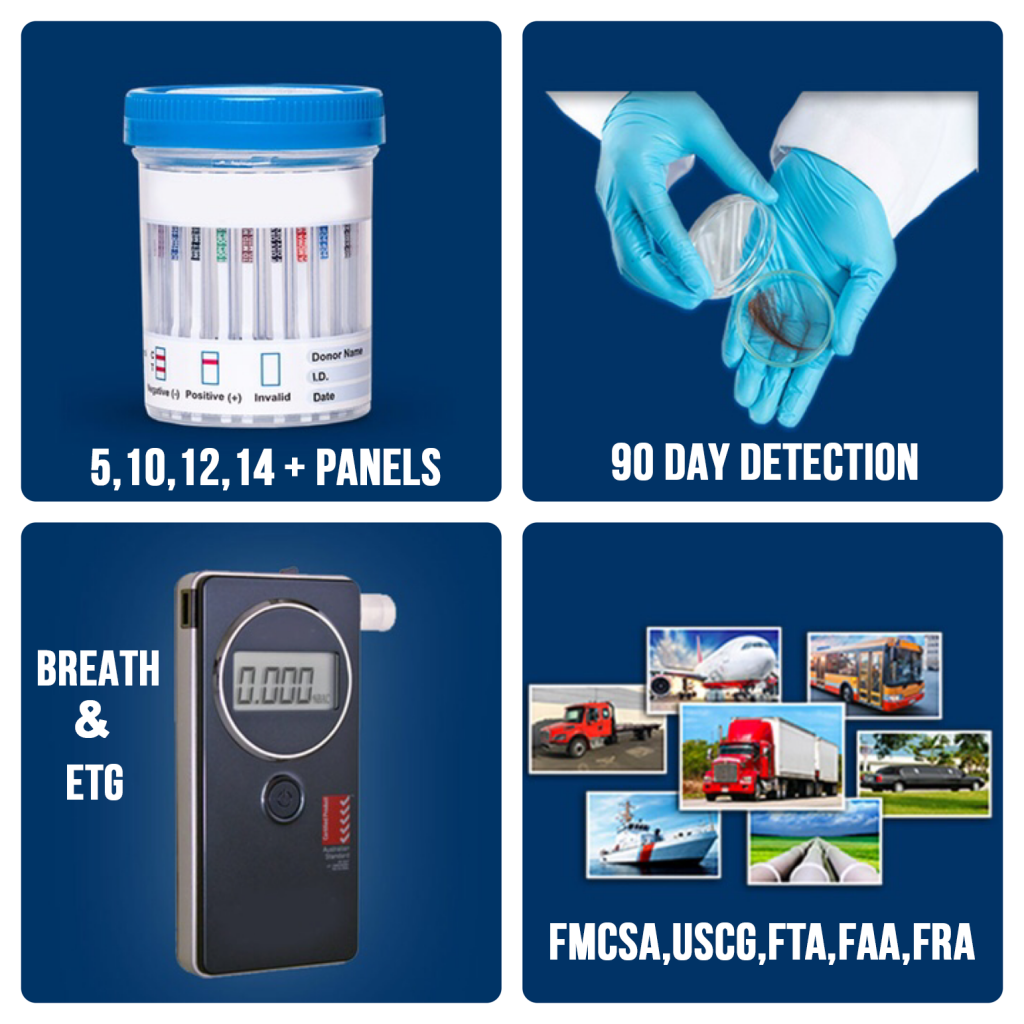
Leaf MS – Schedule a Drug Test is a nationwide drug testing company specializing in Drug, Alcohol, and DNA testing. We also do DOT Physicals and Background Checks. Tests are administered utilizing urine, oral/ saliva, hair follicle, blood and breath alcohol.
Schedule a Drug Test, a division of Accredited Drug Testing, Inc., provides alcohol testing including breath alcohol (BAC), ETG alcohol testing utilizing both urine and hair alcohol testing methods. Alcohol testing is provided for employers needing a DOT alcohol test or individuals in need of alcohol testing for court ordered purposes. We also provide DOT physicals, DOT drug testing and DNA testing at locations throughout the Leaf Mississippi area.
To schedule any alcohol test at our Leaf MS locations, call our scheduling department at (800) 315-1519. You can also schedule your alcohol test online utilizing our express scheduling registration by selecting your test and completing the Donor Information/Registration Section. You must register for the test prior to proceeding to the testing center.
The zip code you enter will be used to determine the closest alcohol drug testing center which performs the type of test you have selected. A donor pass/registration form with the local testing center address, hours of operation and instructions will be sent to the e-mail address you provided. Take this form with you or have it available on your smart phone to provide to the testing center. No appointment is necessary in most cases. However, you must complete the donor information section and pay for the test at the time of registration.
Alcohol Drug Test Screening Near You
Drug test screening groups commonly used are a , (panels specify how many drugs will be screened) however customized screening can be analyzed for drugs such as opiates, bath salts, synthetic cannabis and a wide range of prescription drugs.
The EtG test is quite sensitive and can detect even low levels of alcohol. In fact, the test can detect alcohol in the urine up to five days after consumption. In studies of participants without alcohol-use disorders, EtG has been detected in urine samples for up to 80 hours (3.3 days) after heavy alcohol exposure.
The Breathalyzer, the most famous portable device to test breath alcohol content, was invented in 1954. Alcohol breath–testing devices use the amount of alcohol in exhaled breath to calculate the amount of alcohol in a person’s blood, also known as blood alcohol concentration (BAC).
Smart Drug Testing, LLC in Leaf MS also provides customized drug testing for synthetic marijuana, Ketamine, spice, kratom, bath salts and various opioids including Fentanyl, Oxycodone, Vicodin, Percocet, and others. Prescription drugs can be screened including Adderall, Ritalin, and Suboxone with levels reflecting usage.
Providing exceptional customer service and being available when you need us for alcohol testing in Leaf MS, is our #1 priority and we look forward to serving the needs of our clients.
Local Area Info Liquid chromatographymass spectrometry
Liquid chromatographymass spectrometry LC-MS is an analytical chemistry technique that combines the physical separation capabilities of liquid chromatography or HPLC with the mass analysis capabilities of mass spectrometry MS. Coupled chromatography – MS systems are popular in chemical analysis because the individual capabilities of each technique are enhanced synergistically. While liquid chromatography separates mixtures with multiple components, mass spectrometry provides structural identity of the individual components with high molecular specificity and detection sensitivity. This tandem technique can be used to analyze biochemical, organic, and inorganic compounds commonly found in complex samples of environmental and biological origin. Therefore, LC-MS may be applied in a wide range of sectors including biotechnology, environment monitoring, food processing, and pharmaceutical, agrochemical, and cosmetic industries.
In addition to the liquid chromatography and mass spectrometry devices, an LC-MS system contains an interface that efficiently transfers the separated components from the LC column into the MS ion source. The interface is necessary because the LC and MS devices are fundamentally incompatible. While the mobile phase in a LC system is a pressurized liquid, the MS analyzers commonly operate under vacuum around 106 torr. Thus, it is not possible to directly pump the eluate from the LC column into the MS source. Overall, the interface is a mechanically simple part of the LC-MS system that transfers the maximum amount of analyte, removes a significant portion of the mobile phase used in LC and preserves the chemical identity of the chromatography products chemically inert. As a requirement, the interface should not interfere with the ionizing efficiency and vacuum conditions of the MS system. Nowadays, most extensively applied LC-MS interfaces are based on atmospheric pressure ionization API strategies like electrospray ionization ESI, atmospheric pressure chemical ionization APCI, and atmospheric pressure photo-ionization APPI.These interfaces became available in the 1990s after a two decade long research and development process.
The coupling of chromatography with MS is a well developed chemical analysis strategy dating back from the 1950s. Gas chromatography GC – MS was originally introduced in 1952, when A.T. James and A.J.P Martin were trying to develop tandem separation – mass analysis techniques. In GC, the analytes are eluted from the separation column as a gas and the connection with electron ionization EI or chemical ionization CI ion sources in the MS system was a technically simpler challenge. Because of this, the development of GC-MS systems was faster than LC-MS and such systems were first commercialized in the 1970s. The development of LC-MS systems took longer than GC-MS and was directly related to the development of proper interfaces. V.L. Tal’roze and collaborators started the development of LC-MS in the early 1970s, when they first used capillaries to connect LC columns and MS ion sources. A similar strategy was investigated by McLafferty and collaborators in 1973. This was the first and most obvious way of coupling LC with MS, and was known as the capillary inlet interface. This pioneer interface for LC-MS had the same analysis capabilities of GC-MS and was limited to rather volatile analytes and non-polar compounds with low molecular mass below 400 Da. In the capillary inlet interface, the evaporation of the mobile phase inside the capillary was one of the main issues. Within the first years of development of LC-MS, on-line and off-line alternatives were proposed as coupling alternatives. In general, off-line coupling involved fraction collection, evaporation of solvent, and transfer of analytes to the MS using probes. Off-line analyte treatment process was time consuming and there was an inherent risk of sample contamination. Rapidly, it was realized that the analysis of complex mixtures would require the development of a fully automated on-line coupling solution in LC-MS.
Alcohol Testing in Leaf MS provides drug and alcohol testing in Leaf MS at 24 conveniently located drug testing facilities. Call (800) 315-1519 or register online. Drug testing options include DOT and non-DOT urine drug tests, breath alcohol tests, EtG alcohol tests, and hair follicle drug and alcohol tests.
Whether you’re drug testing your employees, yourself, or a family member, just choose your test and pick a clinic. A registration barcode will be sent to you immediately (or to the person you specify). A map and GPS directions will be linked to the barcode. Results are fast and reported securely in our online portal. Get your alcohol test in Leaf MS now.